A water molecule has one oxygen atom and two hydrogen atoms. The atoms are joined by covalent bonds.
Hydrogen has proton number 1, so each hydrogen atom has 1 electron. It has only one shell and needs 1 more electron to reach a duplet.
Oxygen has proton number 8, so it has 8 electrons.
- First shell: 2 electrons
- Second shell: 6 electrons
Oxygen needs 2 more electrons to reach an octet.
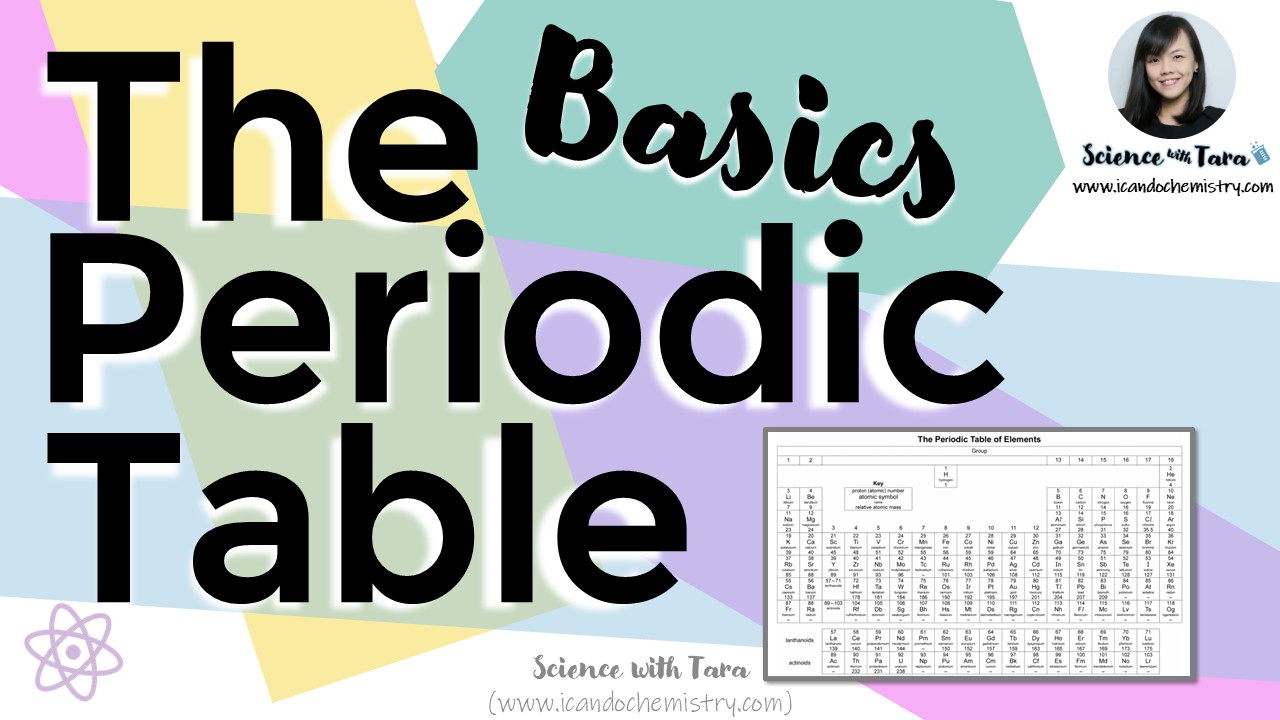
Note: We can find the number of electrons from The Periodic Table. The number at the top of each element is the atomic number, which tells us the number of protons. In an atom, the number of protons and electrons is the same. Therefore, this number also represents the number of electrons.
How the bonds form
Each hydrogen atom shares its 1 electron with oxygen. Oxygen shares 1 electron with each hydrogen.
- 2 electrons are shared between oxygen and the first hydrogen. That is one single bond.
- 2 electrons are shared between oxygen and the second hydrogen. That is another single bond.
- Oxygen still has 4 valence electrons that are not shared.
- The inner shell of oxygen is not involved in bonding.
Dot and cross diagram
- Write O in the centre and H on each side.
- Show 6 valence electrons around oxygen. Use dots for oxygen.
- Show 1 electron on each hydrogen. Use crosses for hydrogen.
- Overlap each hydrogen with oxygen so that one dot and one cross sit in each shared region.
(Note: The inner shell of carbon is not involved in bonding.)
After drawing the diagram, we should check whether each atom has achieved a noble gas electronic configuration:
- Each hydrogen now has 2 electrons in its shell. ✓
- Oxygen now has 8 electrons in its outer shell: 4 shared and 4 not shared. ✓
Note for exams: If the question asks you to draw only the outermost electrons, you can omit the inner shell of oxygen. Only show the valence electrons involved in bonding.
Structural formula
From the dot and cross diagram, we can see that 2 electrons are shared between oxygen and each hydrogen atom. Since 2 electrons are shared, this represents 1 single bond. Therefore, water has the structural formula with two single bonds between oxygen and hydrogen.
H–O–H
Note on molecular shape: In water, the molecule has a V-shape (bent shape). However, at O-Level, the focus is mainly on the number of bonds rather than the shape of the molecule. You will learn about molecular shapes in greater detail at A-Level.
What to remember
- Hydrogen needs 1 more electron. Oxygen needs 2 more.
- Water has two single covalent bonds.
- After bonding, each hydrogen has 2 outer electrons and oxygen has 8.
- Carbon always forms 4 bonds, oxygen 2, and hydrogen 1. Use this check on the structural formula.
Learn more…
Previous lesson: Dot and Cross Diagram of Oxygen
Next lesson: Dot and Cross Diagram of Methane
All topics: Chemistry Resources