CATEGORIES
SECTION I:
MATTER – STRUCTURES AND PROPERTIES
1. Experimental Chemistry
1.1 Measurement and Experimental Design
1.2 Purification:
- Setting up and Interpreting Paper Chromatography
- How to separate sand and copper(II) sulfate salt from its mixture
- Filtration to separate insoluble solid from liquid
- How to separate immiscible liquids using Separating Funnel
- Miscibility of liquids
- How to separate miscible liquids using Fractional Distillation
- What is Simple Distillation
2. The Particulate Nature of Matter
2.1 Kinetic Particle Theory
2.2 Atomic Structure
- Atomic Structure Basics – Protons, Neutrons and Electrons
- How to Write Electronic Configuration of Atoms
- How to Write Nuclide Notation of Atoms
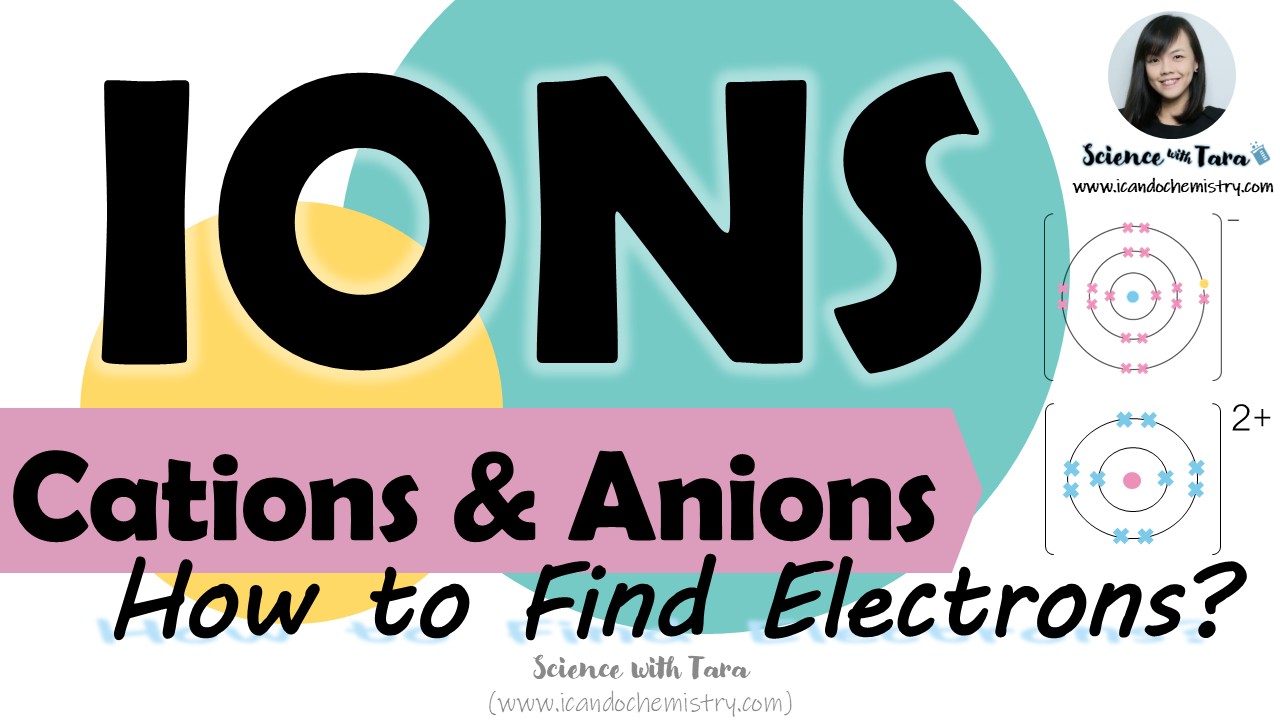
- Ions Explained: Cations, Anions & How to Calculate Protons, Electrons and Neutrons
- What is the number of proton electron and neutron in an atom
3. Chemical Bonding and Structure
- Why do atoms form bonds?
- Chemical Bonding – What are the 4 types of Bond Structures
- Valency
- How to draw dot and cross diagram of Covalent Molecules
- How to determine structure of covalent molecule
- How to draw dot and cross diagram of ionic compound – sodium oxide
- How to draw dot and cross diagram of ionic compound – calcium oxide
- How to draw dot and cross diagram of ionic compound – magnesium chloride
- How to draw dot and cross diagram of ionic compound – sodium chloride
- How to draw dot and cross diagram of covalent compound – Hydrogen
- How to draw dot and cross diagram of covalent compound – Oxygen
- How to draw dot and cross diagram of covalent compound – Water
- How to draw dot and cross diagram of covalent compound – Methane
- How to draw dot and cross diagram of covalent compound – Carbon Dioxide
SECTION II: CHEMICAL REACTIONS
4. Chemical Calculations
4.1 Formulae and Equation Writing
4.2 The Mole Concept and Stoichiometry
- Mole Calculation
- How to calculate number of particles| Avogadro’s constant
- How to Solve Chemical Calculation involving Acid and Alkali| 2018/P1/Q11
- How to determine Empirical Formula of Compound| 2015/P1/Q15; 2008/P1/13
5. Acid-Base Chemistry
5.1 Acid-Base Chemistry
- Bases and Alkalis
- Acid Strength
- pH
- Chemical Properties of Alkalis
- Chemical Properties of Acids
- Chemical Reactions to make copper(II) sulfate
- How to Solve Chemical Calculation involving Acid and Alkali| 2018/P1/Q11
5.2 Salt Preparation
- Solubility of Salts
- How to make insoluble salt| Precipitation Method
- Chemical Reactions to make copper(II) sulfate
5.3 Ammonia
6. Qualitative Analysis
- How to distinguish lead(II) ions from aluminium ions?
- Why calcium ions do not form precipitate with aqueous ammonia?
- Qualitative Analysis: Identification of Anions
- Qualitative Analysis: Identifying Anions (Carbonate, Chloride, Iodide, Nitrate, Sulfate)
- Qualitative Analysis: Identifying Cations with Aqueous Ammonia
- Qualitative Analysis: Identifying Cations with Aqueous Sodium Hydroxide, NaOH
- Qualitative Analysis: Identifying Cations Using Sodium Hydroxide, NaOH (aq) and Aqueous Ammonia, NH₃ (aq)
- How to Identify Carbon Dioxide Gas in the Chemistry Laboratory (Limewater Test)
7. Redox Chemistry
7.1 Oxidation and Reduction
7.2 Electrochemistry
8. The Periodic Table
- What are the features and patterns in the Periodic Table that you must know
- The Periodic Table – Noble Gases and Transition Elements
- The Periodic Table – What do you need to know about Halogens
- The Periodic Table – Why are Group I Elements called Alkali Metals
- What is Displacement reaction| Halogens
- 40 Chemical Substances All Students Must Know
9. Chemical Energetics – Energy Changes
- How to draw Energy Profile Diagram and Energy Level Diagram of Exothermic and Endothermic Reaction
- What is activation energy?
- Endothermic and Exothermic Changes
- Energy Level Diagram
10. Rate of Reactions
SECTION III: CHEMISTRY IN A SUSTAINABLE WORLD
11. Organic Chemistry
- Fermentation of Glucose
- Naming Organic Compounds
- Homologous Series
- Draw structures of alkanes |Full Structural Formula
- Draw structures of alkenes |Full Structural Formula
- How to draw structures of alcohols |Full Structural Formula
- How to draw structures of carboxylic acids |Full Structural Formula
- Addition Reactions of Alkenes
12. Maintaining Air Quality – The Atmosphere and Environment
- Treatment of Sulfur dioxide – Flue Gas Desulfurisation
- Sulfur Dioxide – Sources and Harmful Effects
- Oxides of Nitrogen – Sources and Harmful Effects
- Carbon Monoxide – Sources and Harmful Effects
Subscribe to YouTube Channel for Free Chemistry Online Lessons